

Jeremy Nicholls
We must change the way we account for profit to include other consequences of running a business.
My new book explores why this is fundamental to resolving today's economic and social crises and how the accounting system can be changed, It is a detective story, a history of cost and externality and a manifesto for change.
The Accounting Paradox: How financial accounting is damaging the world (but can help repair it), will be published on March 24th, 2026
VISION
We need to allocate resources to activities that create value for both investors and people; that generate profits without externalising costs. This means organisations should be held to account for the consequences of their activities and the extent which they contribute to this goal, and at a rate commensurate with planetary limits and the rights and expectations of people who experience those consequences.
Financial returns are one consequence but not the only one that matters. Until profit is calculated to include all the consequences that matter to this goal, resources will continue to be allocated, through capital markets, in ways that generate costs for others and contribute to inequality, nature loss and climate change. Whatever else we do to address these challenges will be over-shadowed by the rate at which investment flows undermine progress.
Changing the yardstick by which society assesses performance can still leave many, perhaps most, of the structures that society has created for directing investment in place. Although its control would rapidly shift to ensure representation of those who ‘own’ the experience of those
other consequences.
Specialities:
-
Understanding, managing and reporting on social, economic and environmental outcomes to drive innovation and improved performance.
-
Accounting for responsible or sustainable business practice in commissioning, social investing and social purpose businesses.
-
Interrogating the interface between financial and sustainability accounting.


MY WORK
I am a an honorary Senior Fellow in the Management School, working on financial accounting

I am an ambassador for the Capitals Coalition working on the interface between financial accounting and capitals assessments.

I represent SVI on the ISO technical committee for governance of organisations and advise on the True and Fair Project.

I am an Ashoka Fellow seeking to change the basis on which profit is calculated by using regulatory, public interest and accounting levers.
Boards and committees
I am a member of Accounting4Sustainability's Expert panel and GRI's Due Process Oversight Committee.

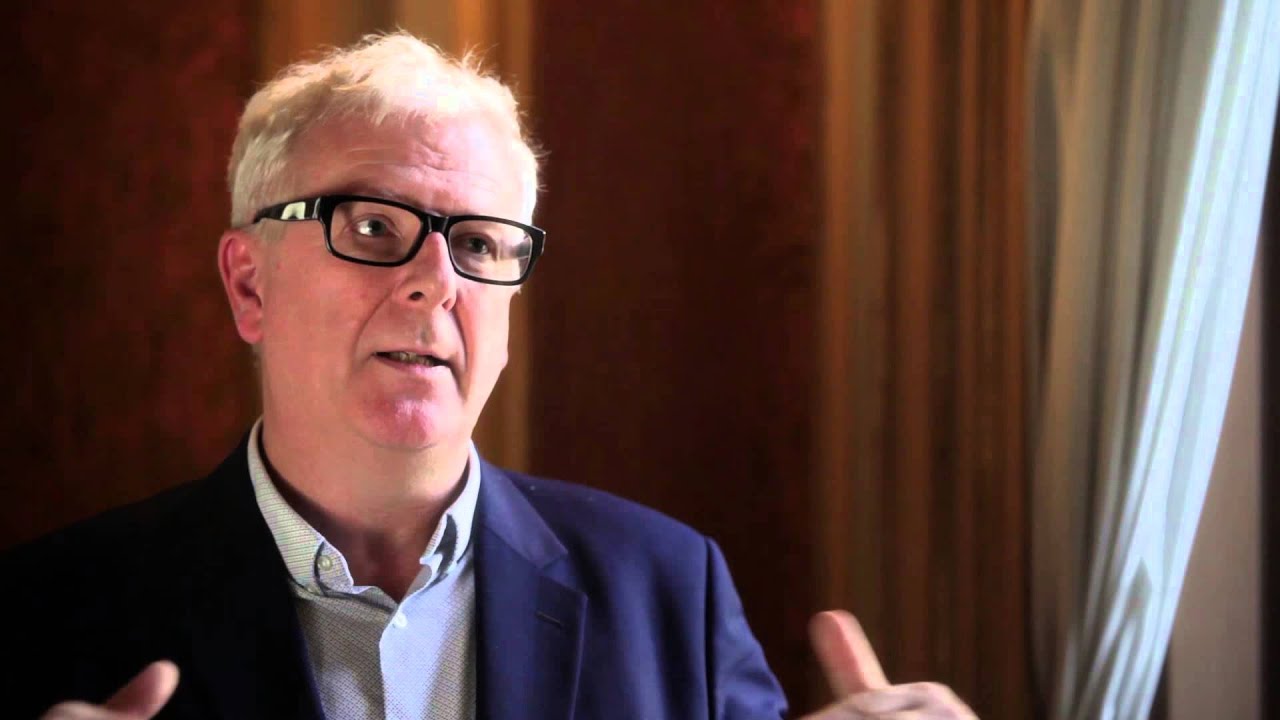
WATCH


BOOKS

The accounting paradox: how financial accounting is damaging the world (but can help repair it)
When you think about the tools at our disposal to address the ecological, social and biodiversity challenges we face today, accounting might not immediately come to mind. And yet it is accounting standards, not science and not public policy, that set out how profit is calculated, which in turn drives investment decisions. What if we demanded that those standards reflect the true cost of business and its consequences?
Unless we look again at these fundamental principles, which have gone under the radar for so long, capital markets will continue to contribute to inequality, nature loss and climate change. What’s remarkable is that we already have in place everything we need for a more just and complete approach to accounting, and forward-thinking businesses are beginning to recognise that.
Launch March 2026

Generation Impact: International Perspectives on Impact Accounting
With contributions from world-leading scholars and practitioners, Generation Impact brings together lessons from both developed and developing economies, shares current best practice and suggests future trends in impact accounting. The book analyses social and environmental capital protocols, the international convergence in impact investing, organisational management and capacity-building and best practice in assurance and training, and offers reflections on policy directions.

Navigating Big Finance and Big Technology for Global Change: The Impact of Social Finance on the World’s Poor
The role of big finance and technology in social change is rapidly evolving. This book examines why large financial players are entering the social sector through social finance. Drawing on empirical research, the authors analyse the opportunities this new interest and commitment presents as well as the potential harm that can be done to vulnerable people when beneficiaries are not treated as partners and the social needs of people are not placed at the centre of the investment model.

ABOUT
JN
I was a recovering accountant but have found myself drawn back to its embrace. Originally I qualified in order to work in Nicaragua, quickly curtailed by the change in government in 1990 and then finally escaping to become a house parent. A long cycle through regeneration, social enterprise and sustainability, brought me back to accountancy, but this time to its fundamentals and how they contribute, every day, to our global challenges. I am still avoiding double-entry bookkeeping, except when stumbling across that painting of Luca Pacioli in the Capodimonte Museum in Naples.

CONTACT ME
Please get in touch if you share these concerns and have some ideas on how they can be addressed.